Discover how digital upselling uses psychological triggers such as the decoy effect, social proof and scarcity, and where upsell suggestions fit in the ordering process.
Upselling means suggesting a relevant addition or upgrade during an order. Jamezz ordering channels can suggest extras such as sauces, drinks or a larger menu.
Why upselling gets forgotten on a busy shift
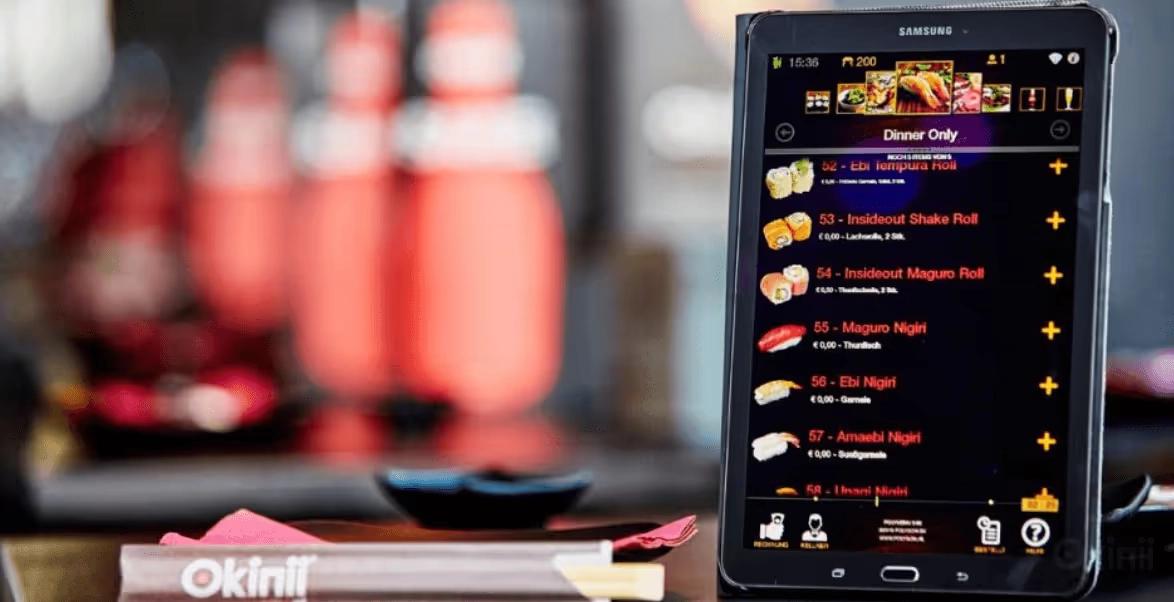
Every restaurant owner knows what upselling is, and every restaurant owner knows it is the first thing to go when it gets busy. You ask your team to suggest extras, but between taking orders and running food, the suggestion is easily forgotten. That is where digital upselling helps: on a kiosk, a QR menu, a tablet or in the webshop, the suggestion is shown with every order, whether it is quiet or packed.
What digital upselling does
Ordering software can show a suggestion at the moment a guest is deciding. With Jamezz, suggestions can depend on what is already in the basket, the time of day, the location and the weather. Compared with a suggestion at the table, digital upselling is: Consistent: the suggestion appears with every order. In the guest's language: the menu and the suggestions are shown in the language the guest has chosen. Yours to set: you decide which extras are suggested, per outlet, channel, time of day and category.
Four psychological effects behind upselling
A good suggestion is not a random add-on. It works because it fits how people make choices. These four effects are well known from behavioural psychology; none of them needs a trick, only a menu that is set up with care.
The Decoy Effect
Have you noticed how a "medium" drink suddenly looks like the sensible choice when a slightly more expensive "large" sits next to it? That is the decoy effect: people judge an option by comparing it with the options around it. For your menu it means that the sizes and combinations you offer side by side matter as much as the products themselves. A meal deal next to the single items makes the upgrade easy to weigh up.
Social Proof
People like to follow others when they are unsure what to order. That is why labels such as "most popular" or "guest favourite" on a menu make choosing easier. Use them honestly: mark the dishes that really are ordered most. Your sales reports show which ones those are.
Scarcity and urgency: limited-time offers
Nobody likes to miss out. A seasonal dish, a weekend special or a happy hour gives guests a reason to decide now. Keep it real: an offer that is always "ending soon" loses its effect and your credibility. In Jamezz, happy hours and other time-limited promotions start and stop automatically at the times you set, and a product that has run out can be shown as sold out or hidden.
Visual appeal: good product photos
A photo of a burger with melting cheese says more than a line of text. Product photos can be shown on every Jamezz ordering channel, so an extra is suggested with its picture, not just its name. Invest in a few good photos of the products you most want to suggest.
Where upsell suggestions fit in the order flow
Upselling does not have to be pushy. The best suggestions feel like part of ordering: In the basket: if there is food but no drink in the basket, a suggestion for a drink is relevant. With a product: a sauce with fries, a side with a main, or a larger menu instead of a single item. You set this per product, as an optional suggestion or as a choice the guest has to make. Per category and time of day: a pastry with coffee in the morning, a dessert in the evening. Keep it to one or two relevant suggestions.
Why is upselling important in a restaurant?
A relevant suggestion helps guests complete their order, such as a drink with a meal or a sauce with fries, and it can contribute to a higher average order value. Digital ordering channels show such suggestions at the right moment during the order, without your team having to remember them.
What is the difference between upselling and cross-selling?
Upselling offers a larger or better version of what the guest is already ordering, such as a large drink instead of a medium. Cross-selling offers an additional product, such as a dessert with a main course. In practice the two are used together.
Read more: restaurant KPIs.
In short
Digital upselling is a consistent way to offer relevant extras with every order. Understanding the effects behind it, the decoy effect, social proof, scarcity and visual appeal, helps you set up suggestions that guests experience as helpful. It can contribute to a higher average order value, depending on your type of venue and menu. More ways to work on your sales are in the guide how to increase restaurant sales and revenue.
Frequently asked questions
Can I decide myself which extras are suggested?
Yes. In Jamezz you set the upsell suggestions yourself, per outlet, ordering channel, time of day and category.
On which ordering channels does digital upselling work?
On all Jamezz ordering channels: the self-ordering kiosk, QR ordering, tablet ordering and the online ordering webshop.
Does upselling increase the average order value?
It can contribute to a higher average order value, depending on your type of venue and menu. There is no fixed percentage that applies to every business.
Share this article